Texas
Print Page Download PDF
According to the 2026 Texas Aviation Economic Impact Study, general aviation airports in the state support an annual economic impact of $17 billion.
Aviation By the Numbers
According to FAA data, Texas is home to 392 public-use general aviation airports, 83,982 pilots, and 29,729 registered aircraft.
Number of Jobs
According to the 2026 Texas Aviation Economic Impact Study, general aviation airports in the state support more than 78,000 jobs and a total labor income of over $6.8 billion annually.
Economic Impact
The same study reports that general aviation airports in the state of Texas support an annual economic impact of $17 billion.
According to FAA data, Texas is home to 393 repair stations, 73 FAA-approved pilot schools, 35,154 student pilots, and 14,356 flight instructors.
There are 306 fixed-base operators in Texas according to the AC-U-KWIK directory.
According to the University Aviation Association, there are 19 flight departments in Texas including Texas A&M University—Victoria in Victoria, Angelo State University in San Angelo, Baylor University in Waco, Central Texas College in Killeen, LeTourneau University in Longview, Lone Star College in Conroe, North Central Texas College in Gainesville, Stephen F. Austin State University in Nacogdoches, and Texas A&M University—Central Texas in Killeen.
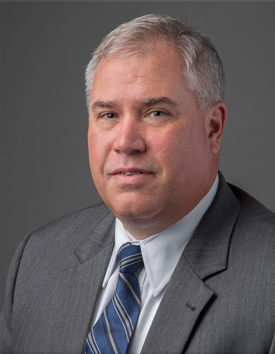
Dan Harmon, Director, Aviation Division, Texas Department of Transportation
"Texas' transportation and aviation infrastructure is a critical part of our state and national economy. We are home to 264 general aviation airports, many featuring runways in excess of 7,200 feet. General aviation in the state supports more than 48,000 jobs and generates an annual economic impact of $9.3 billion. Emerging technologies such as advanced air mobility represent the next generation of air transportation in the United States. Next-generation batteries and yet unforeseen transportation technologies will advance the nation towards sustainable aerospace and open new air transportation opportunities to move people between and within urban, suburban, and rural areas."